Table of Contents
- What Influences Fire Suppression System Installation Costs
- Commercial Fire Sprinkler Installation Cost by System Type
- Cost Breakdown: New Construction vs. Retrofitting
- AS 1851 Fire Protection Standards and Compliance Costs
- Fire Suppression System Maintenance Requirements and Ongoing Expenses
- Hidden Costs: Permitting, Inspection, and Installation Labour
- Long-Term ROI and Insurance Premium Reduction
- Conclusion
- Frequently Asked Questions
Last Updated: August 26, 2026
What Influences Fire Suppression System Installation Costs
Fire suppression system installation costs depend on multiple interconnected variables: building size, system type, water supply availability, and local regulatory requirements. A 500-square-metre office renovation costs entirely differently from a 5,000-square-metre warehouse retrofit.
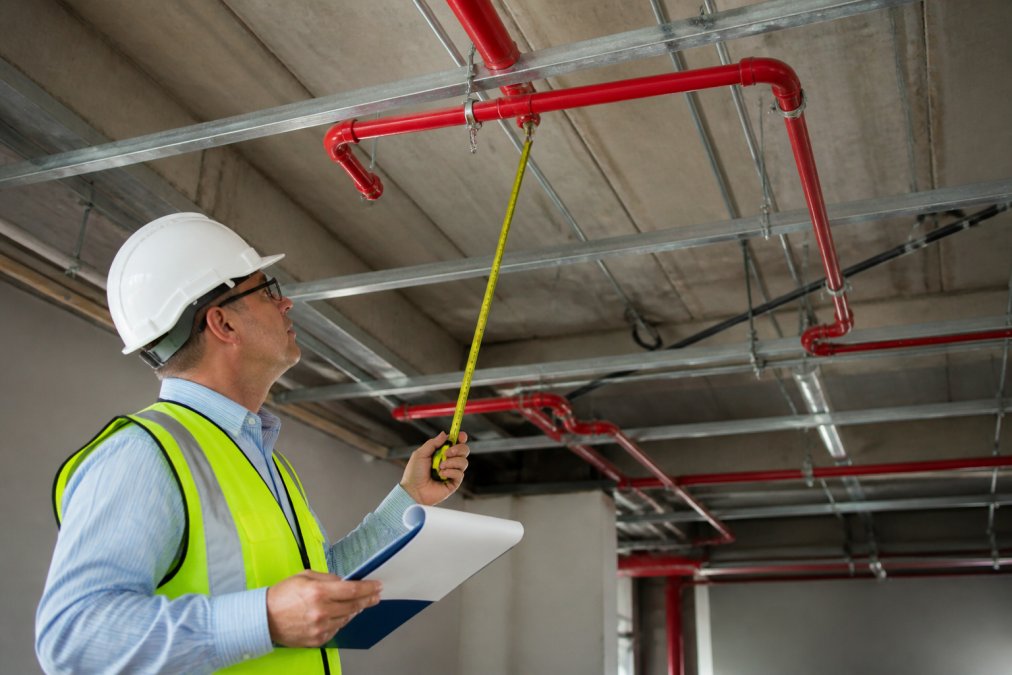
Building codes and fire safety compliance standards create mandatory cost components. In Australia, AS 1851 fire protection standards govern system design, installation, and maintenance protocols ([EXTERNAL_LINK: Standards Australia | standards.org.au]). Meeting these standards isn’t optional, it’s a legal requirement that directly impacts labour hours, material specifications, and inspection fees. Fyrepower ensures every installation meets AS 1851 requirements, preventing costly compliance failures during audits or emergencies.
Water supply infrastructure significantly influences pricing. Properties with mains water connections face lower costs than those requiring dedicated water tanks, pumps, or alternative supply arrangements. A building with poor water pressure may need pressure-boosting equipment, adding thousands to the project.
System accessibility affects labour intensity. Ground-floor installations with straightforward ceiling access cost less than multi-storey buildings requiring scaffolding, crane access, or complex routing through existing structures. Retrofitting into heritage buildings or properties with asbestos-containing materials introduces additional costs for specialised handling and compliance.
Geographic location influences material availability and labour rates. Fyrepower operates across the Gold Coast, South Brisbane, and Northern New South Wales, providing competitive local pricing and rapid response times.
Commercial Fire Sprinkler Installation Cost by System Type
Fire suppression system installation costs vary dramatically depending on which suppression technology your property requires. Each system type serves different hazards and building functions.
Water-Based Sprinkler Systems
Water-based sprinkler systems represent the most common and cost-effective fire suppression solution for commercial properties. These systems use pressurised water distributed through overhead piping networks with sprinkler heads strategically positioned across the protected area.
Wet pipe systems, the standard configuration, maintain water pressure in all pipes at all times. When heat triggers a sprinkler head, water flows immediately. Installation involves designing the piping layout, installing control panels, connecting to water supply, and conducting hydrostatic pressure testing.
Dry pipe systems, used in unheated spaces where freezing would damage wet pipes, keep compressed air or nitrogen in the pipes instead of water. When a fire is detected, air pressure releases, allowing water to flow. Dry pipe systems cost more to install due to additional air pressure equipment and more complex valve mechanisms.
Pre-action systems add a detection layer before water flows, making them suitable for data centres or archives. The system requires two independent triggers before water flows, preventing accidental discharge but requiring more sophisticated control panels and detection equipment.
Deluge systems flood an entire area with water simultaneously, used in high-hazard environments like chemical storage or aircraft hangars. Installation costs reflect the engineering complexity and the need for dedicated water supply infrastructure.
Gaseous and Chemical Suppression Systems
Gaseous and chemical suppression systems protect environments where water would cause unacceptable damage: server rooms, control centres, commercial kitchens, and archives. These systems use non-water extinguishing agents like FM-200, Inergen, CO2, or NOVEC 1230.
Installation complexity drives higher costs compared to water-based systems. Each system requires precise agent calculations based on room volume, pressure vessel sizing, discharge piping design, and integration with fire detection systems. The agent itself carries significant material cost, particularly for premium agents like NOVEC 1230.
Kitchen suppression systems use wet chemical agents specifically formulated for cooking oil fires, requiring installation directly above cooking equipment with agent delivery to both the cooktop and exhaust ductwork. These specialised systems demand precise positioning and professional commissioning.
Cost Breakdown: New Construction vs. Retrofitting
The distinction between new construction and retrofitting fundamentally changes fire suppression system installation costs. New construction allows system design integration from the project’s inception, while retrofitting works within existing building constraints.
New construction projects benefit from coordinated planning. Fire suppression system design occurs alongside structural and mechanical planning, allowing optimal pipe routing, equipment placement, and infrastructure integration. These efficiencies reduce labour hours and material waste.
However, new construction requires compliance with current building codes and AS 1851 fire protection standards from project inception. Modern codes often mandate more sophisticated systems than older buildings require.
Retrofitting existing buildings introduces constraints that increase costs substantially. Pipes must route around existing structures, mechanical systems, and architectural features. Ceiling penetrations become necessary where routing options are limited. Walls may require opening and patching.
Retrofitting also encounters hidden surprises: asbestos-containing materials requiring specialised removal, structural issues affecting pipe support, inadequate water supply requiring pressure-boosting equipment, or electrical conflicts with detection system wiring. Fyrepower’s experience with retrofitting across Gold Coast and South Brisbane properties means the team anticipates common constraints and builds realistic budgets accounting for these variables.
AS 1851 Fire Protection Standards and Compliance Costs
AS 1851 fire protection standards establish mandatory requirements for fire protection system design, installation, inspection, and maintenance across Australia. Compliance costs are non-negotiable and must be factored into every fire suppression system installation costs estimate.
The standard requires that fire protection systems be designed, installed, and maintained by competent persons, typically certified fire protection engineers or licensed installers. This expertise requirement ensures proper system design but adds labour costs.
Initial system commissioning must include hydrostatic pressure testing, flow testing, and functional verification. These tests confirm that the system operates as designed and meets performance specifications. Testing labour and documentation are legally mandatory before system activation.
Annual inspection and maintenance requirements continue throughout the system’s operational life. AS 1851 mandates six-monthly inspections for most commercial systems, with detailed records maintained for compliance verification ([EXTERNAL_LINK: Standards Australia | standards.org.au]). These ongoing costs extend far beyond the initial installation, making system selection decisions that prioritise long-term maintainability economically sound.
Fyrepower’s expertise in AS 1851 compliance ensures installations meet all regulatory requirements without costly rework or compliance failures. The team’s QBSA licensing and full insurance coverage provide assurance that installations achieve and maintain compliance standards.
Fire Suppression System Maintenance Requirements and Ongoing Expenses
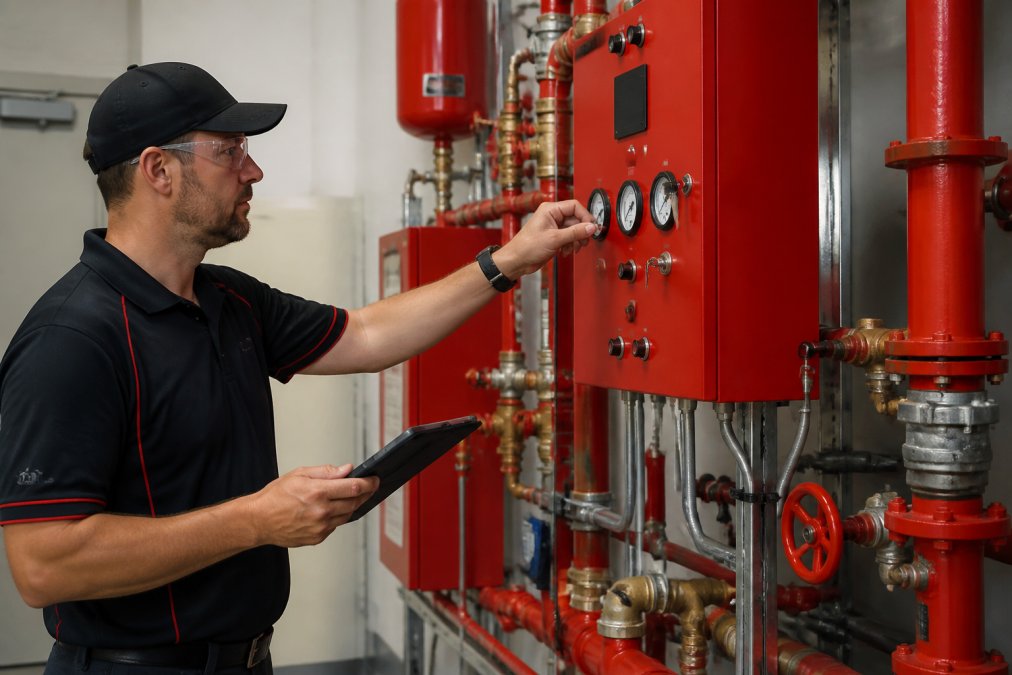
Fire suppression system installation costs represent only the initial investment. Ongoing maintenance expenses often exceed the installation cost over the system’s 15-25 year operational life, making maintenance planning essential to total cost of ownership calculations. Industry benchmarks suggest that ongoing maintenance can be a significant long-term expense.
Six-monthly inspections are mandatory for most commercial fire suppression systems under AS 1851 standards. These inspections verify system pressure, check sprinkler head condition, inspect piping for corrosion or damage, test control panel functionality, and review maintenance records.
Annual servicing involves more detailed work: pressure vessel hydrostatic testing, valve maintenance, control panel calibration, and fire detection system verification. Technicians may need to replace worn components, clean clogged sprinkler heads, or repair corrosion.
Sprinkler head replacement occurs periodically as heads age or become damaged. Some properties replace all heads on a fixed schedule (every 10-15 years) regardless of condition, while others replace heads only when inspection reveals damage.
Agent replenishment applies to gaseous and chemical suppression systems. When a system discharges during a real fire or testing, the agent must be replaced before the system is operational again. For FM-200 or NOVEC 1230 systems, agent replacement costs can exceed several hundred dollars per discharge.
Control panel batteries require replacement every 3-5 years to maintain emergency backup power. Fire alarm interface testing and recalibration ensure detection systems properly trigger suppression systems.
Fyrepower’s maintenance programs provide predictable costs through service contracts covering six-monthly inspections, annual servicing, and component replacement on a scheduled basis.
Hidden Costs: Permitting, Inspection, and Installation Labour
Beyond equipment and basic installation, several hidden cost categories often surprise property managers. Understanding these costs allows more accurate budget planning.
Permitting and approval processes vary by local council and building type. Commercial properties typically require council approval for fire suppression system design before installation begins. Approval timelines range from 2-6 weeks, and some councils charge permit fees.
Building inspection fees apply after installation completion. Councils or private certifiers conduct final inspections to verify compliance with building codes and fire safety standards. If inspection reveals non-compliance, remedial work and re-inspection add further costs.
Installation labour represents a significant cost component often underestimated in initial budgets. Skilled fire protection technicians command premium rates due to their specialised training and the safety-critical nature of their work.
Coordination with other trades adds hidden costs. Installing fire suppression systems often requires coordination with electricians, plumbers, and structural contractors. Scheduling conflicts or rework due to coordination failures extend timelines and increase costs.
Site access and logistics can introduce unexpected expenses. If installation requires temporary scaffolding, crane rental, or traffic management, these costs add substantially to project budgets. Urban properties often require after-hours work to minimise business disruption, commanding premium labour rates.
Asbestos management in older buildings can transform project economics. If existing structures contain asbestos-containing materials, specialised removal contractors must handle demolition before fire suppression installation proceeds. Asbestos removal costs can easily exceed the fire suppression system cost itself.
Long-Term ROI and Insurance Premium Reduction
While fire suppression system installation costs represent significant upfront investment, the long-term financial benefits often justify the expense through insurance premium reductions and business continuity protection.
Insurance companies recognise fire suppression systems as risk-reduction measures and typically offer premium discounts for properties with compliant, well-maintained systems. Many commercial properties see 10-20% annual premium reductions after system installation. Over a 15-year system lifespan, cumulative insurance savings can offset a substantial portion of installation costs.
Business interruption protection provides another financial benefit. A fire that damages a commercial property without suppression systems can force weeks or months of closure for repairs. A functioning fire suppression system that controls or extinguishes a fire reduces damage severity, shortens closure periods, and minimises revenue loss.
For hospitality and retail venues on the Gold Coast, even a single day of forced closure due to fire damage represents thousands in lost revenue. A fire suppression system that prevents major damage preserves business continuity and protects the property owner’s investment.
Liability exposure reduction represents a less obvious but significant benefit. Property owners have legal obligations to maintain fire safety systems and protect occupants from fire hazards. Properly installed and maintained systems demonstrate due diligence and reduce liability exposure.
Staff safety and evacuation success depend partly on fire suppression systems controlling fire spread. A system that suppresses a fire before it spreads uncontrollably allows occupants more time to evacuate safely and reduces injury risk.
Conclusion
Fire suppression system installation costs depend on building size, system type, water supply infrastructure, and regulatory compliance requirements. New construction typically costs less per square metre than retrofitting existing buildings, and ongoing maintenance expenses extend well beyond initial installation. Understanding these cost drivers allows property managers to budget accurately and make informed system selection decisions.
Fyrepower provides transparent, detailed quotes that account for all cost components including compliance, labour, and hidden expenses. With QBSA licensing, full insurance coverage, and expertise in AS 1851 fire protection standards, Fyrepower delivers compliant installations that protect properties and occupants while providing long-term value through reduced insurance premiums and business continuity protection. Get in touch with us now to discuss your fire suppression system requirements and receive a comprehensive cost assessment tailored to your property’s specific needs.
=== FAQ ANSWERS (audit these too, same rules) ===
[1] Q: How much does fire suppression system installation typically cost?
A: Installation costs depend on system type, building size, water supply complexity, and compliance requirements. Always obtain a quote from a licensed provider who can assess your specific property and hazards to provide accurate pricing.
[2] Q: What factors most affect commercial fire sprinkler installation cost?
A: Key factors include building square footage, water pressure and supply availability, existing piping infrastructure, system design complexity, retrofit versus new construction, and compliance with building codes. Properties requiring extensive pipework, pressure boosters, or complex layouts cost more. Retrofit installations in existing buildings typically exceed new-build costs due to access constraints and structural modifications. Geographic location and local labour rates also influence final pricing.
[3] Q: What are the ongoing maintenance requirements under AS 1851 fire protection standards?
A: AS 1851 mandates six-monthly inspections and testing of fire suppression systems, including control panels, pressure gauges, sprinkler heads, and extinguishing agents. Annual hydrostatic testing of pressure vessels and five-yearly certification of gaseous agents are required. Maintenance contracts ensure your system remains compliant and operational. Detailed service reports must document all work performed. These regular inspections and certifications are non-negotiable for compliance and should be factored into your long-term budget.
[4] Q: Are there hidden costs I should budget for beyond installation?
A: Yes. Permitting and fire marshal approvals, site-specific hydraulic calculations, pressure testing of new piping, system commissioning and certification, and initial staff training add to installation costs. Ongoing expenses include six-monthly maintenance contracts, annual inspections, replacement of extinguishing agents, and emergency call-out fees. Some properties may require upgrades to water supply or electrical infrastructure. Request a detailed quote that itemises all costs upfront to avoid surprises.
Frequently Asked Questions
How much does fire suppression system installation typically cost?
Installation costs depend on system type, building size, water supply complexity, and compliance requirements. Always obtain a quote from a licensed provider who can assess your specific property and hazards to provide accurate pricing.
What factors most affect commercial fire sprinkler installation cost?
Key factors include building square footage, water pressure and supply availability, existing piping infrastructure, system design complexity, retrofit versus new construction, and compliance with building codes. Properties requiring extensive pipework, pressure boosters, or complex layouts cost more. Retrofit installations in existing buildings typically exceed new-build costs due to access constraints and structural modifications. Geographic location and local labour rates also influence final pricing.
What are the ongoing maintenance requirements under AS 1851 fire protection standards?
AS 1851 mandates six-monthly inspections and testing of fire suppression systems, including control panels, pressure gauges, sprinkler heads, and extinguishing agents. Annual hydrostatic testing of pressure vessels and five-yearly certification of gaseous agents are required. Maintenance contracts ensure your system remains compliant and operational. Detailed service reports must document all work performed. These regular inspections and certifications are non-negotiable for compliance and should be factored into your long-term budget.
Are there hidden costs I should budget for beyond installation?
Yes. Permitting and fire marshal approvals, site-specific hydraulic calculations, pressure testing of new piping, system commissioning and certification, and initial staff training add to installation costs. Ongoing expenses include six-monthly maintenance contracts, annual inspections, replacement of extinguishing agents, and emergency call-out fees. Some properties may require upgrades to water supply or electrical infrastructure. Request a detailed quote that itemises all costs upfront to avoid surprises.
This article was written using GrandRanker